Everything You Need to Know About Laser Cutting
Step aside, scissors! There’s a new way to cut materials like metal, plastic, leather, and paper. We’re talking about laser cutting—the innovative process of using a focused beam of light from either a CO2 or fiber laser (or both!) to cut through materials with precision.
If you’re looking for ultimate precision and accuracy in your cuts, then you should seriously consider incorporating laser cutting into your processes. Not only does it provide the most precise cuts available today, but it’s also fast and cost-effective.
So what else do you need to know about laser cutting? Well, here at XYZ we’re experts on the topic. We’ll give you all the details on how this amazing technology works, as well as tips on choosing the right materials and selecting the right machine for your needs. Get ready to say goodbye to manual cutting—laser cutting is here to stay!
What Is Laser Cutting?
Laser cutting is a type of machining that uses an ultra-thin focused laser beam to cut through a material, producing precise designs with smooth edges.
This powerful technology can be used to cut a wide variety of materials such as plastic, rubber, and metal. It can even be used for intricate artwork, like papercrafts and engraving designs into metal plates. Laser cutting has endless possibilities, making it one of the most popular ways to customize everything from ID cards, name tags and jewelry.
The best part? Laser cutting is fast and affordable, so it’s perfect for both personal projects and industrial production processes – no matter the size! So if you’re looking for an efficient way to cut into your project with accuracy and precision, laser cutting is a great option.
The Benefits of Using Laser Cutting
When it comes to laser cutting, the benefits are seemingly endless! Laser cutting is an innovative technique that offers an infinite level of customization. With the flexibility to cut shapes into a wide range of materials, you can create intricate and complex designs that would be impossible with traditional methods.
The precision of laser cutting also makes it incredibly efficient. Due to its accuracy, the cuts require minimal material and time compared to other machines, resulting in fewer waste and faster results. Moreover, you don’t have to worry about long setup times with this device. Laser cutting can be quickly adjusted and programmed for different projects, which also eliminates any need of tooling for different cutting applications.
Lastly, thanks to a powerful beam of light and efficient operation, lasers require less energy than alternative methods such as plasma or waterjet cutting. Not only does this mean lower energy bills in the long run but it also saves natural resources!
With these amazing benefits in mind, it’s no surprise why more businesses are turning to laser cutting for their production needs—so why not give it a try yourself?
The Different Types of Laser Cutters
Did you know that there are different types of laser cutters? They range in capabilities and power, depending on the kind of laser cutter you choose. Here’s a quick overview of the 4 main types of laser cutters available in the market today:
CO2 Laser Cutter
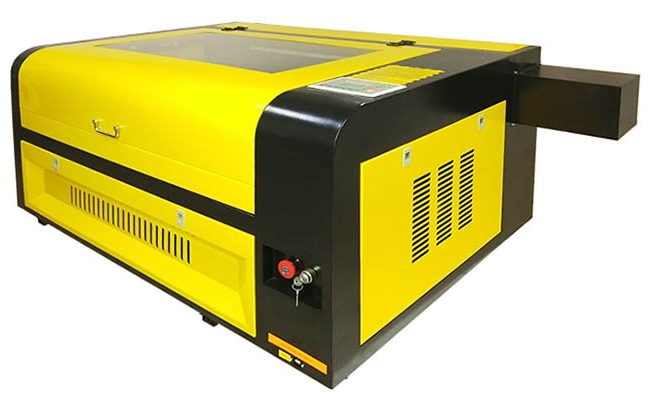
The most popular type of laser cutter is the CO2 Laser Cutter. It’s a gas laser that helps with cutting, engraving and marking various materials such as wood, paper, acrylics and plastics. It’s considered one of the least expensive options for its relatively high power output.
Fiber Laser Cutter
Fiber lasers use fiber-optic cable instead of bulk optics and mirrors. They’re small in size, energy-efficient and produce high-quality results since they have a greater focus diameter compared to CO2 lasers. Their main application is metal cutting but they can also be used to engrave certain materials like plastic, stone and ceramic.
Nd: YAG Laser Cutter
Also known as neodymium-doped yttrium aluminum garnet, these laser cutters are more powerful than CO2 but less intense than fiber lasers. They can be used to cut metals as well as other materials like glass or ceramics that need higher power output than what a CO2 laser can provide.
Ultrashort Pulse Lasers
These are powerful lasers that produce very short pulses – usually femtoseconds – for machining materials that need extreme precision with minimal heat damage or residual stress on the material. They’re ideal for cutting through tough materials such as stainless steel or titanium alloys, making them great for industrial applications like automotive and aerospace engineering precision parts
Choosing the Right Materials for Laser Cutting
Okay, so now that you know the basics of laser cutting, it’s time to pick the right materials. Choosing the right material can make all the difference when it comes to getting a precise and accurate result.
So what materials are good for laser cutting? Generally speaking, laser cutters work best on materials such as wood, acrylic, paper and cardboard. These materials can be cut cleanly and accurately with minimal effort.
When it comes to thicker materials like metal and stone, these require more power and may need to be reinforced before they can be processed by a laser cutter. However, if you have the right equipment, you can still get great results with these types of materials!
Wood
Wood is one of the most popular and versatile materials used in laser cutters. It can be easily cut into intricate shapes and patterns with minimal wastage. Plus, you don’t need to use any special tools or techniques when working with wood – making it an ideal go-to material for any project!
Acrylic
For more creative projects, acrylic is an excellent choice too! High-grade acrylics have a smooth finish that looks great in any environment – plus they’re incredibly durable which makes them perfect for outdoor projects too. You’ll want to be careful though as some types of acrylics may warp or melt if exposed to too much heat!
Paper & Cardboard
As paper is incredibly thin and lightweight, this makes it ideal for intricate detailed projects too! Plus paper is also very easy to source from local shops or online stores – so you’ll never run out of project ideas. Cardboard has similar properties but is also highly durable – making it perfect for
Setting Up the Machine for Best Results
When you’re ready to start laser cutting, you’ll want to ensure that the machine is set up correctly for the best possible results. Here’s a look at some of the most important factors to consider:
Design
First and foremost, you need a good design that really takes advantage of your material and the laser cutter’s capabilities. Your best bet is to use a vector-based design program such as Adobe Illustrator or CorelDRAW, as these will provide the clearest results when it comes time for cutting.
File Type
Your design needs to be saved in one of the supported file types—in most cases this means either an .AI or .SVG file for Adobe Illustrator, or a .CDR for CorelDRAW. If your file isn’t in one of these formats then you’ll need to export it as such before uploading it onto your laser cutter.
Settings
Once you have uploaded your file onto the machine, it’s time to set up all the necessary parameters such as power output, speed and frequency. Different materials will require different settings, so be sure to consult your user manual or speak with an expert in order to determine which options are best for the job at hand.
By taking these steps into consideration before starting any job, you can ensure that your laser cut designs look their best—and turn out exactly how you envision them!
Tips for Getting Started With Laser Cutting
Getting started with laser cutting doesn’t have to be complex. There are a few tips and tricks you should keep in mind to make the process go more smoothly—and here are the top ones!
Have a Plan
The key to any successful project is to have a strategy in place. Know what you want to create and how you want it to look. It’s also a good idea to start with simple designs that don’t require complex or intricate details. This will help you get the hang of laser cutting quicker while also giving your confidence a boost!
Make Sure You Have Clearance
Laser cutting can be dangerous, so it’s important to make sure you have clearance for the area you are working in before starting. This means having proper ventilation and making sure any combustible materials or flammable liquids are removed from the area.
Use Quality Materials
Using quality materials is essential for optimal laser cutting results. You should choose materials that are designed specifically for laser cutting, as they will produce better results with greater accuracy and less waste.
Prepare Your Files
You’ll need vector graphics files when laser cutting, as this will ensure maximum accuracy. To ensure your files work correctly, use Adobe Illustrator, AutoCAD or CorelDRAW—these programs will help create vector based designs that can easily be turned into laser cut projects!
Now that you know these tips and tricks, getting started with laser cutting shouldn’t be too difficult. So what are you waiting for? Get out there and get creating!
Conclusion
If you’re looking for a precise and detail-oriented way to cut a material, laser cutting is the way to go! It is a perfect fit for designers, engineers and manufacturers who value tight tolerances, intricate designs and smooth edges. With laser cutting you can achieve the highest level of accuracy and repeatability, which means you can achieve the perfect results with minimal waste.
The technology may be complex, but with a good understanding of the basics, you can take advantage of the great benefits that laser cutting offers. Now that you have the knowledge, you can get started with laser cutting and start creating your own amazing projects!